Prep Time:
20 minutes
Cook Time:
45 minutes
Total Time:
1 hour 5 minutes
Yield:
4–6 servings
Servings:
About 1 kg chicken curry with thick tomato gravy
Nepali chicken curry, or kukhura ko masu, isn’t just a dish — it’s a memory. In Nepal, every household has its own version, and no two recipes are exactly the same. The spices, the technique, the color of the chicken — everything shifts from home to home.
This is the version from my roots, the chicken curry I grew up eating. Now that I live in Europe, it’s also the dish I turn to when I feel homesick. I use what’s on hand, improvise when needed, and trust the memory of home to guide me. That’s what makes it real.
Why You Should Try This Nepali Chicken Curry
This isn’t a curry that comes from a cookbook. It’s layered with flavors, thanks to frying the chicken first, the aroma of whole spices, and a thick tomato gravy.
It’s perfect if you:
Love bold, home-style flavors
Want a curry that’s adaptable based on what’s in your kitchen
Crave authentic Nepali taste without complicated steps
Even if you live far from Nepal, this recipe will transport you home — the fragrance of fenugreek, carom seeds (ajwain), cinnamon, and cardamom will remind you why Nepali cooking is so comforting.
Fun fact: if you don’t have carom seeds, you can add cumin seeds instead — it’s a subtle variation but still delicious.
Why I Love Making This Chicken Curry
I love making this curry because it’s simple, flexible, and deeply personal. There’s no strict formula — sometimes I use red onions, sometimes yellow; sometimes mustard oil, sometimes vegetable oil; sometimes I have whole spices, sometimes I grind them in a mortar.
Cooking it is like revisiting home, a ritual that soothes homesickness. Frying the chicken slowly, stirring patiently, watching the tomatoes break down — it’s therapeutic. And when the aroma fills the kitchen, it’s a reminder that even far away, my roots are right here on the plate.
Ingredients & Method
Main Ingredients
1 kg chicken (bone-in and boneless mixed)
4–5 tbsp oil (mustard oil traditionally; vegetable oil works)
1½ large onions, finely chopped (red onion is especially tasty)
4 tomatoes, finely chopped or blended
1 tbsp ginger-garlic paste
Salt to taste
Whole Spices (Traditional)
½ tsp fenugreek seeds
½ tsp carom seeds (ajwain) – or substitute with cumin seeds
2–3 dried red chillies
2–3 green cardamom pods
1 small cinnamon stick
A few whole black peppercorns
Ground Spices
1 tsp turmeric powder
1½–2 tsp red chilli powder (adjust to taste)
1½ tsp coriander powder
1 tsp ground cumin
Substitute Spice Mix (If Whole Spices Aren’t Available)
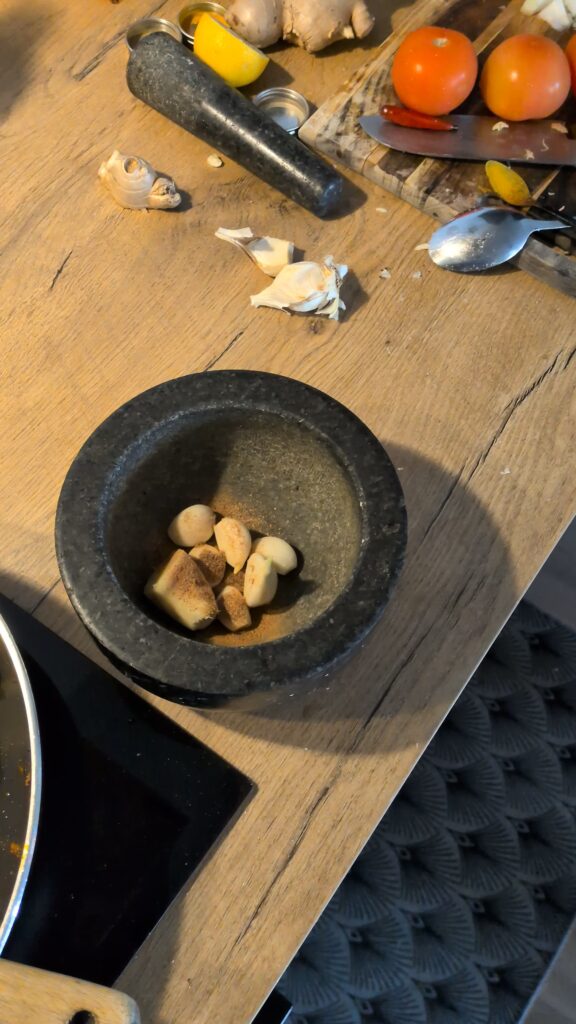
Crushed in a mortar and pestle with ginger-garlic:
A pinch of nutmeg
¼ tsp cardamom powder
¼ tsp cinnamon powder
Whole black pepper (if available)
Step by step Instructions
Step 1: Heat the Oil
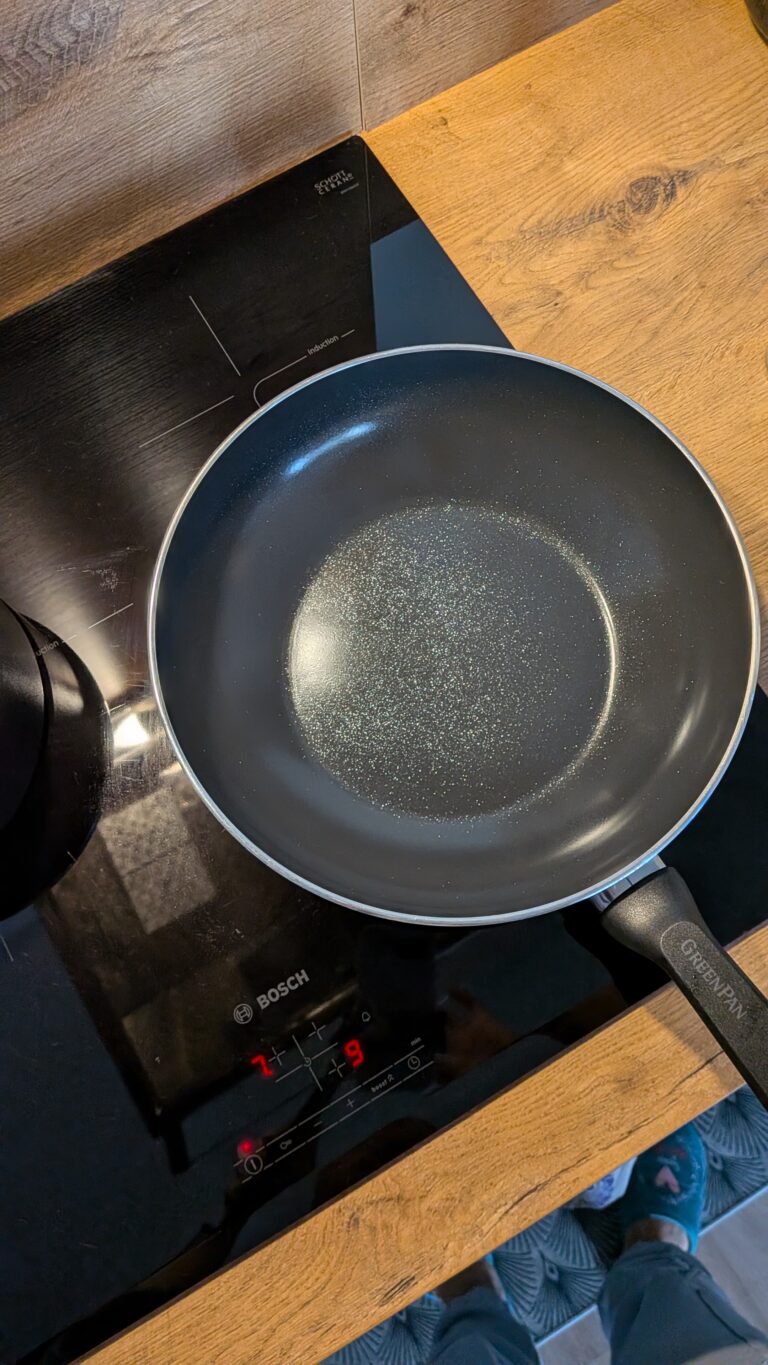
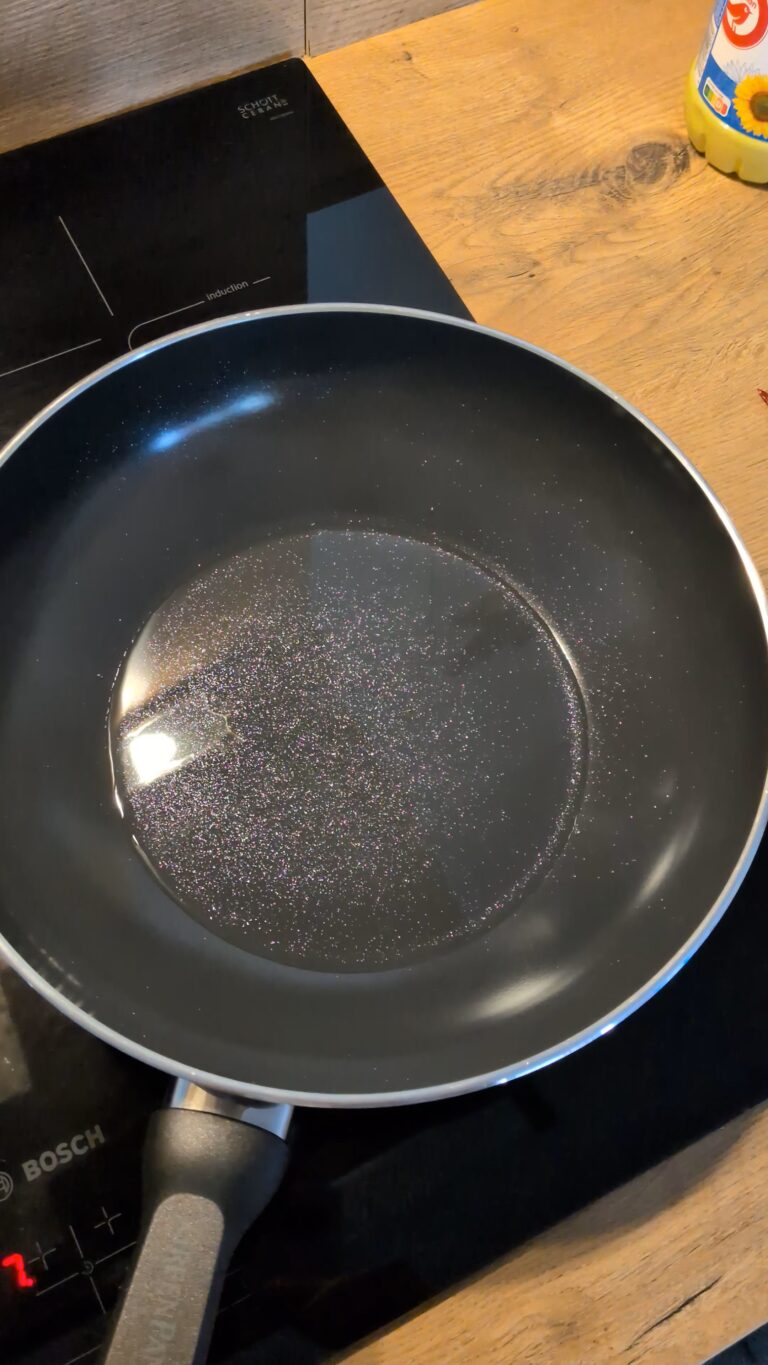
Use a heavy-bottomed pot if available. Heat 4–5 tablespoons of oil (mustard oil if available, or vegetable oil) until it just begins to smoke, then reduce the heat slightly. This forms the base flavor of your curry.
Step 2: Prepare and Add Whole or Powdered Spices
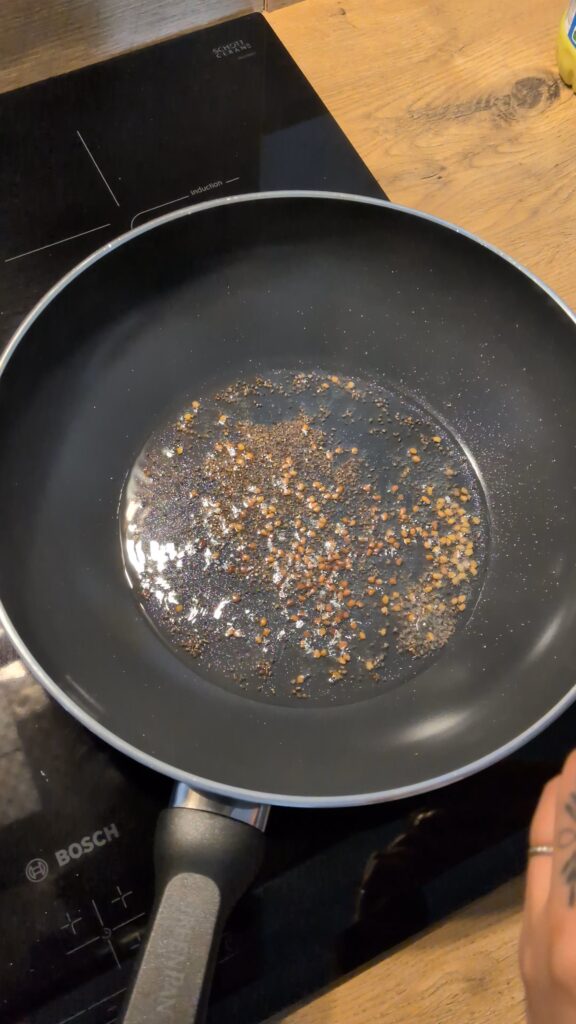
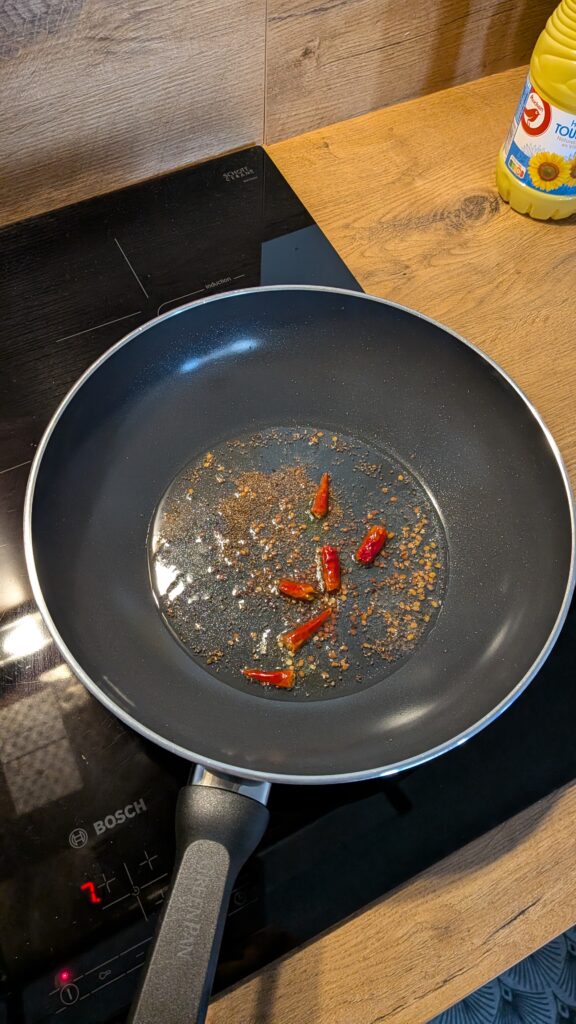
Back in Nepal, I would add whole spices like fenugreek seeds, carom seeds (ajwain), dried red chillies, cardamom, and cinnamon directly to the hot oil.
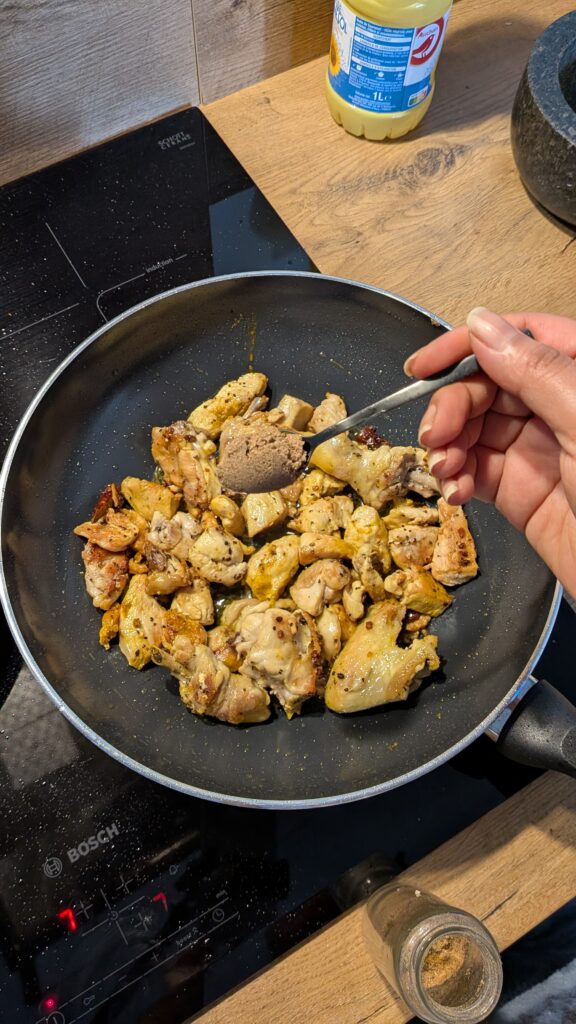
Since I’m in Europe and only have the powdered versions, I crush the powdered spices together with ginger-garlic in a mortar and pestle, along with a pinch of nutmeg, ¼ tsp cardamom powder, ¼ tsp cinnamon powder, and black pepper (either whole peppercorns or ground if that’s what I have).
Fun tip: If you don’t have carom seeds, you can substitute with cumin seeds.
Step 3: Add the Chicken
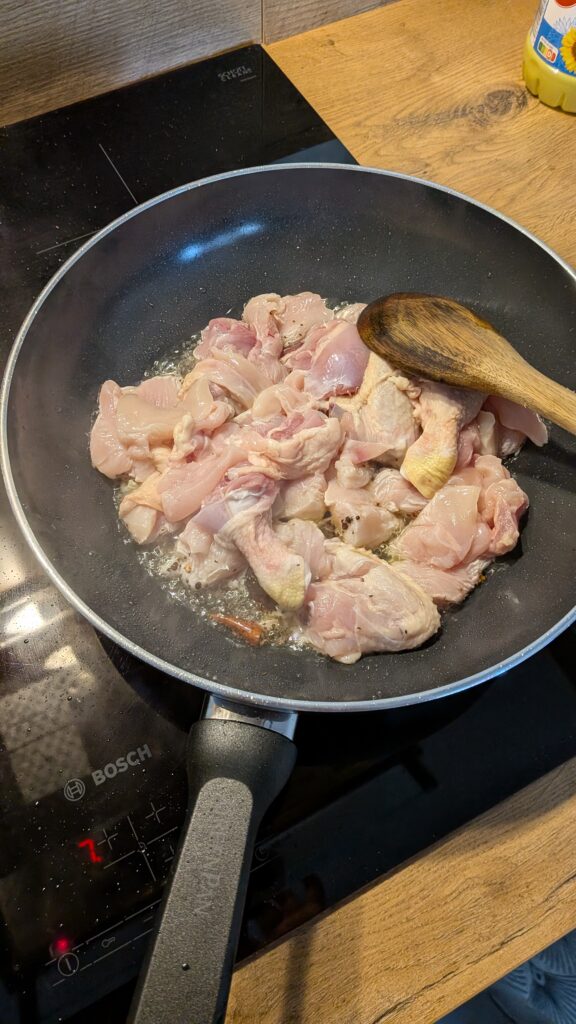
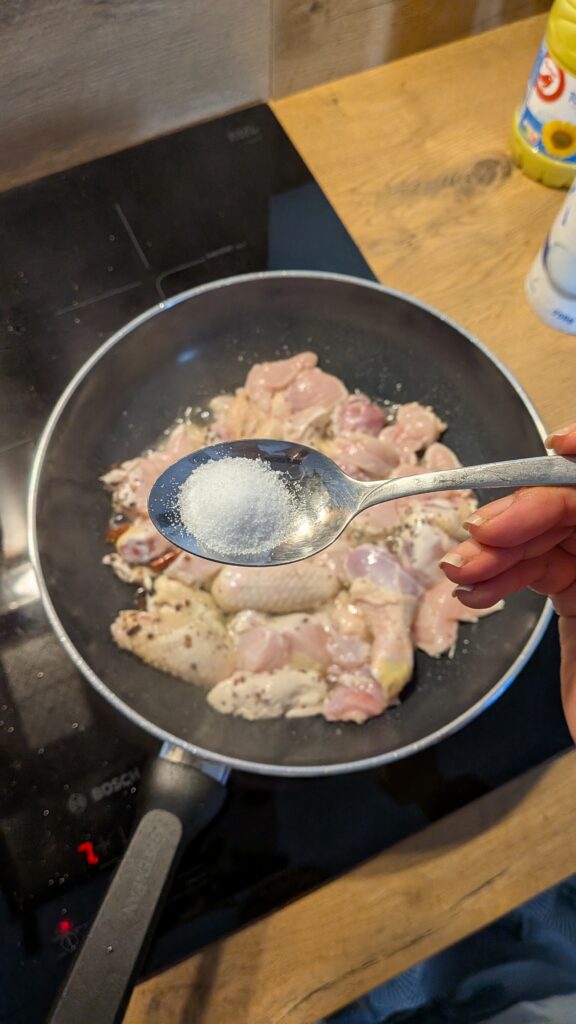
Add 1 kg chicken (bone-in and boneless mixed) directly to the hot oil. Sprinkle salt immediately. Keep the heat high and stir well to coat each piece in the oil and spices.
Step 4: Fry Chicken on High Heat
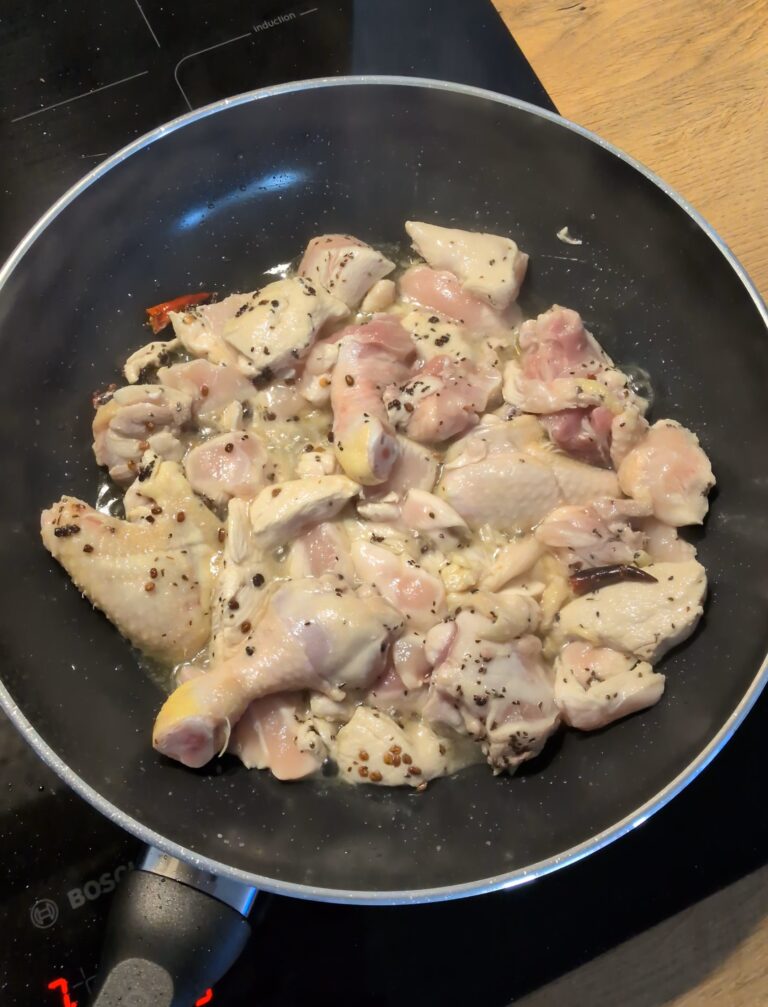
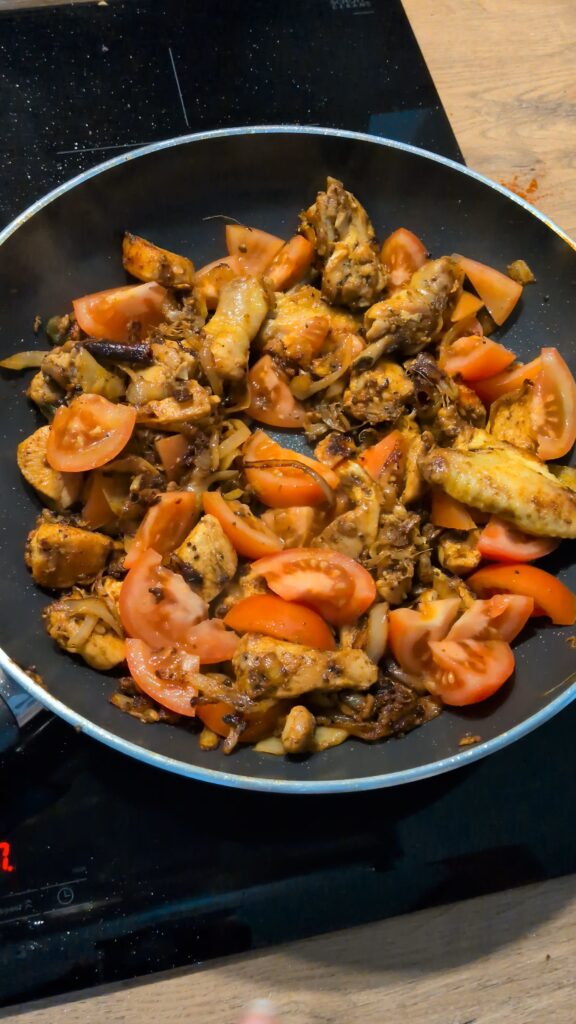
Cook on high heat, stirring occasionally, until about 90% of the water released from the chicken evaporates. This helps lock in flavor and starts building a rich base.
Step 5: Reduce Heat and Brown the Chicken
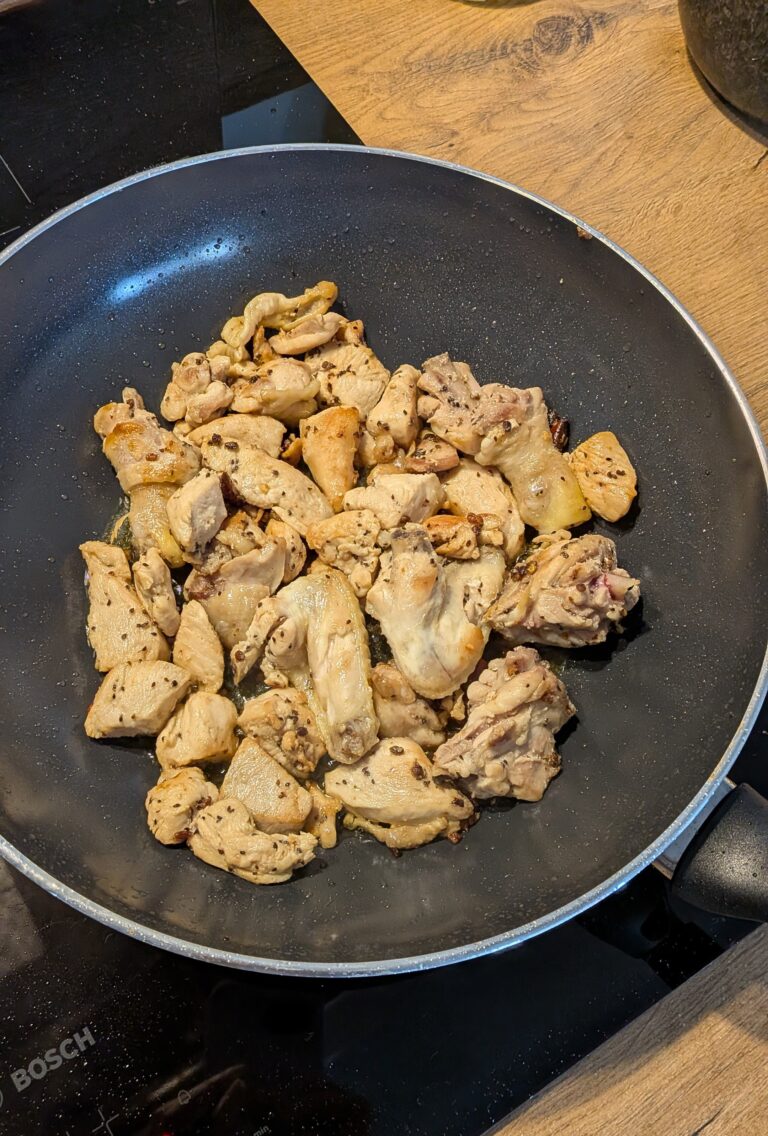
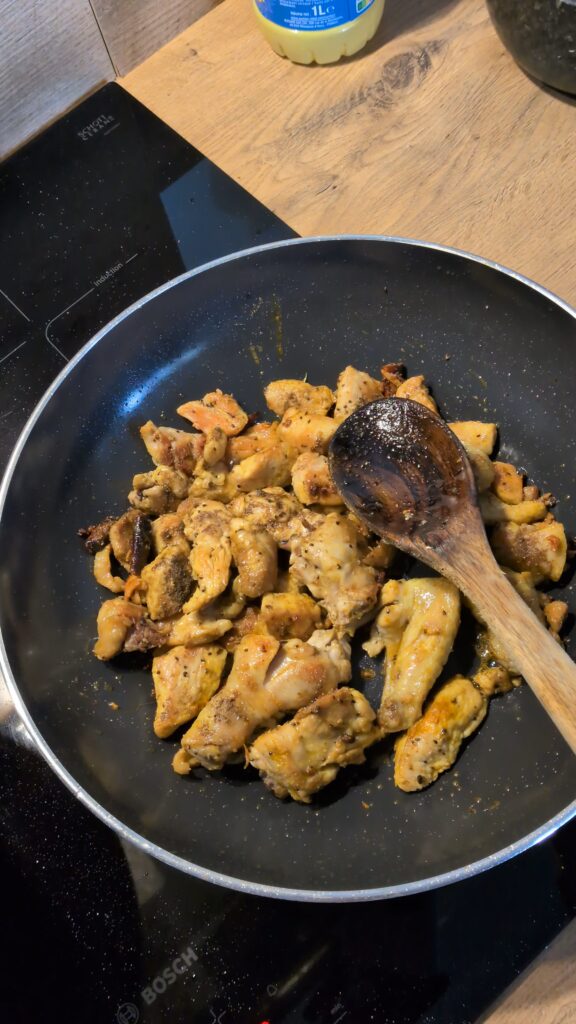
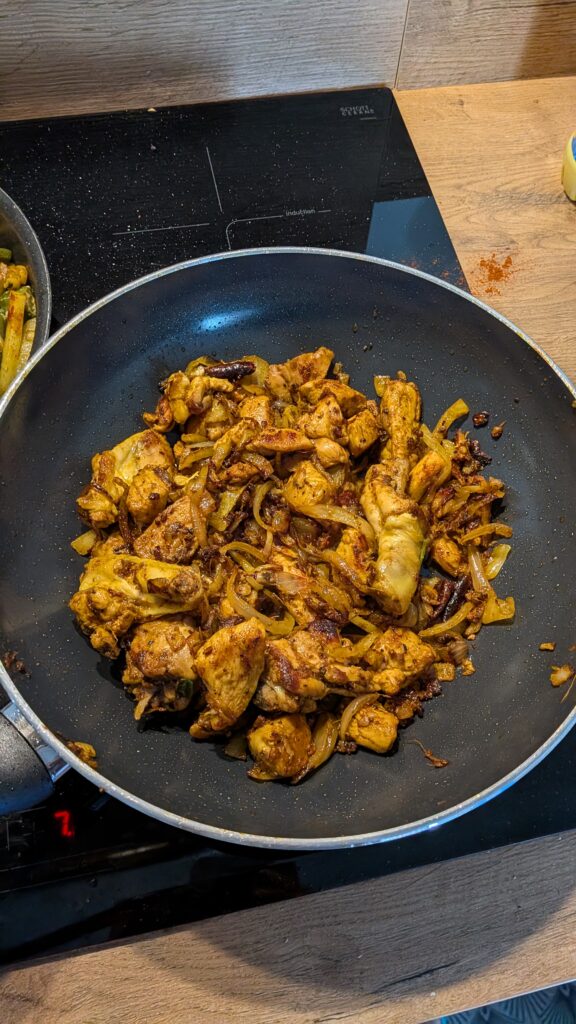
Lower the heat to medium and continue frying slowly. Stir occasionally until the chicken is medium brown. (Some people prefer deep brown; stop when the chicken is still juicy.)
Step 6: Add Ground Spices
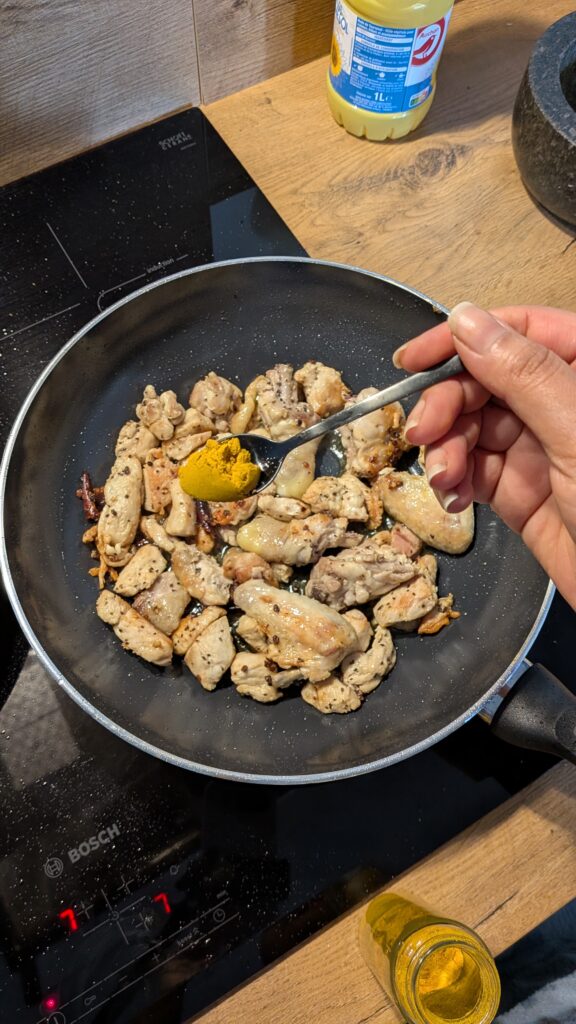
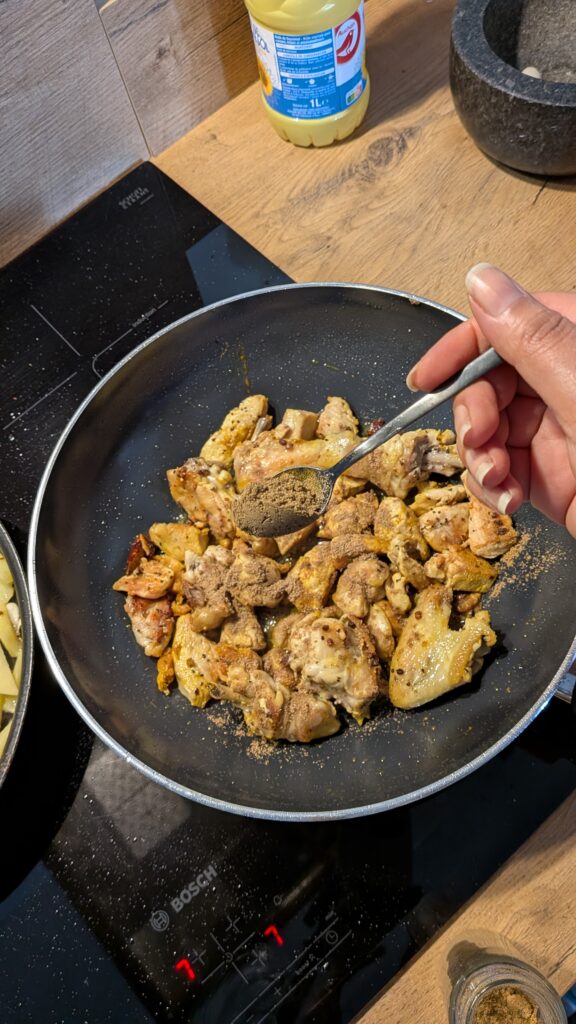
Add 1 tsp turmeric, 1 tsp ground cumin, and 1½ tsp coriander powder directly to the chicken before the onions. Fry for a minute to let the spices bloom and coat the chicken evenly. This step intensifies the flavor and gives the curry its signature aroma.
Step 7: Cook Onions
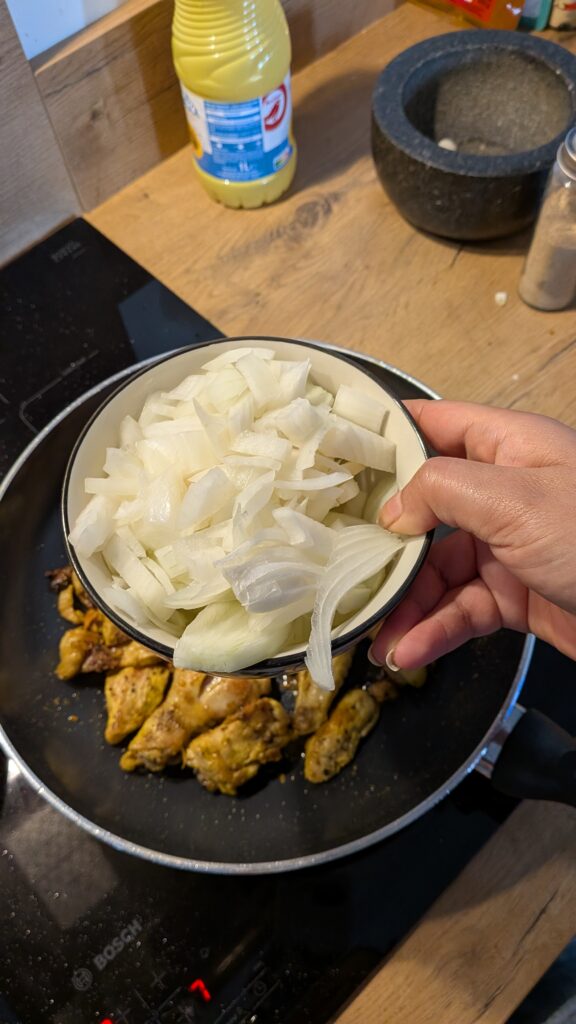
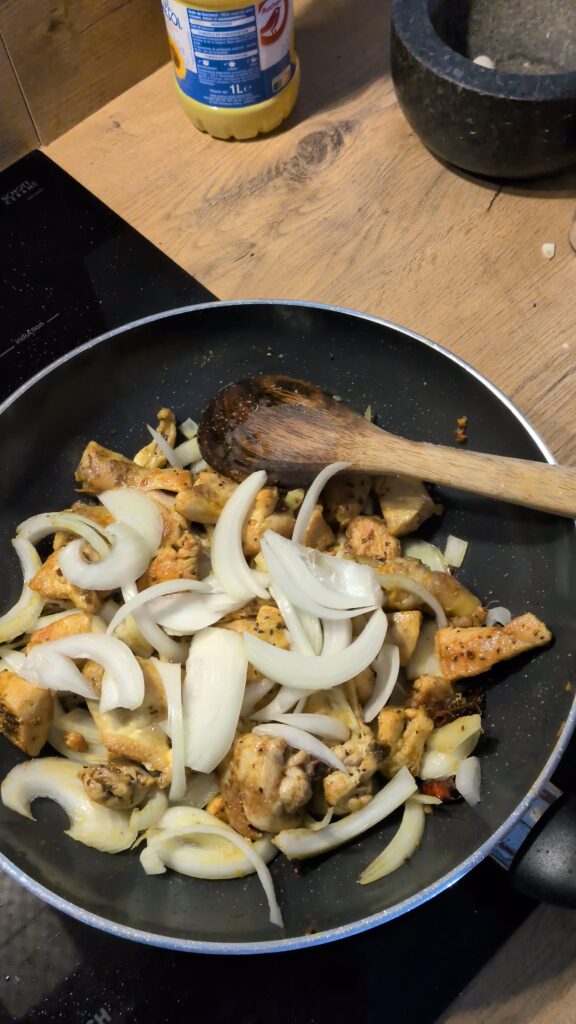
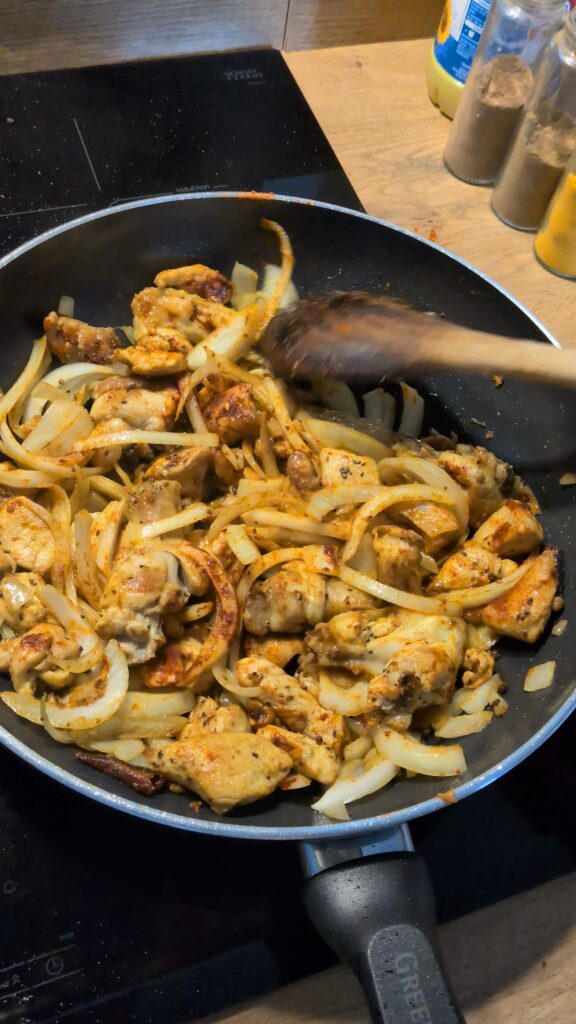
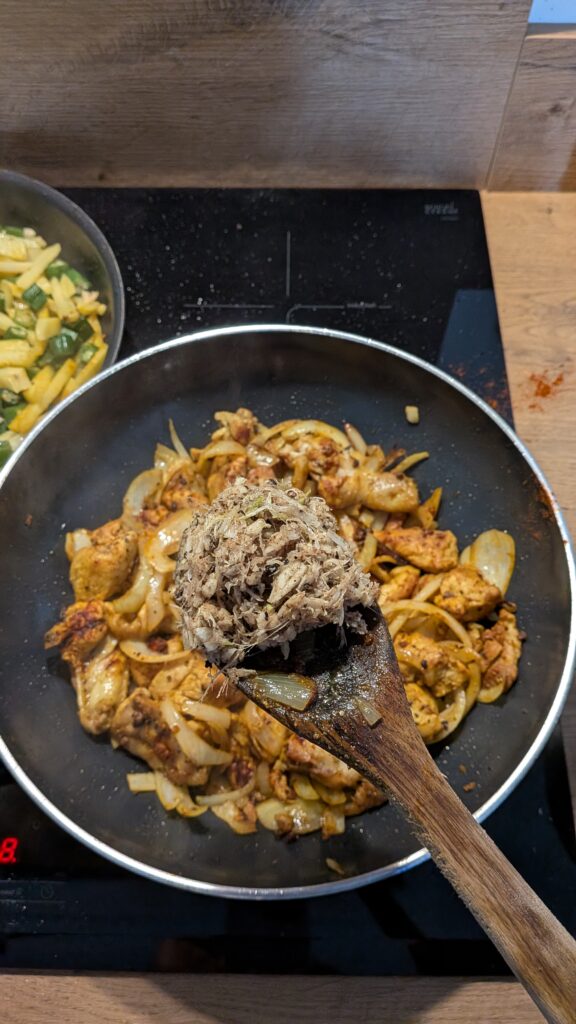
Add 1½ large onions (red or yellow, whichever you have). Cook until soft and blended with the chicken. Onions add sweetness and depth to the curry.
Step 8: Add Ginger-Garlic Paste + Black Pepper
Stir in 1 tbsp ginger-garlic paste together with black pepper — use whole peppercorns if you have them, or ground black pepper as a substitute.
Optional: Add the powdered spice paste from Step 2 here if using. Cook until the raw smell disappears.
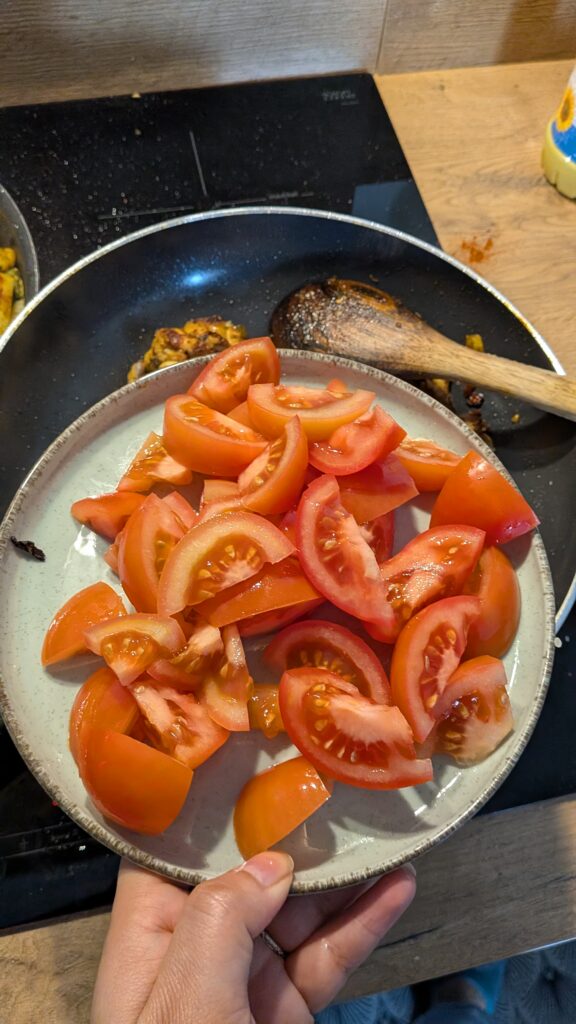
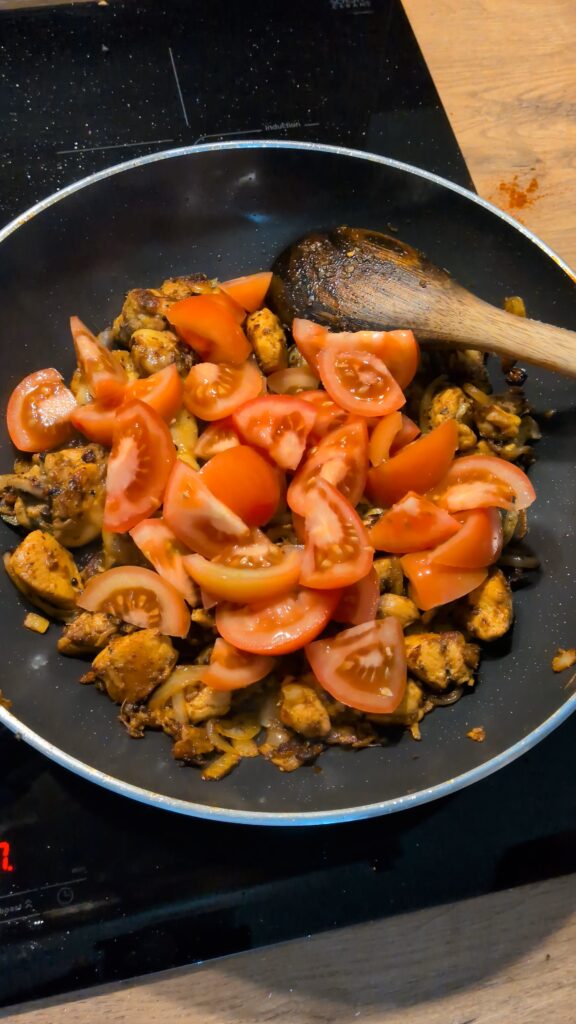
Step 9: Add Tomatoes
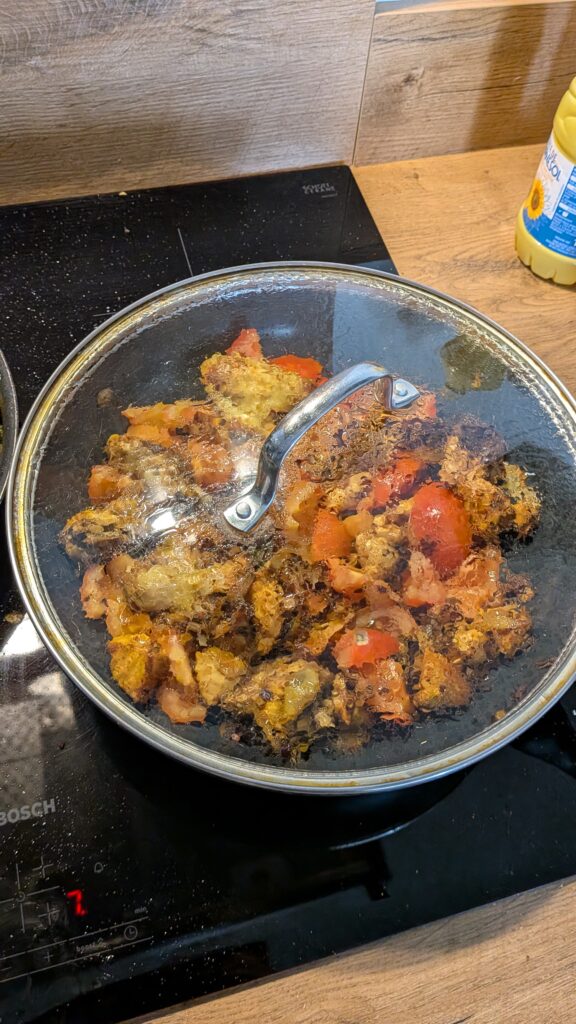
Add 4 tomatoes (chopped or blended) and cook patiently until they break down completely and the oil separates from the masala.
Step 10: Adjust Moisture
No water is usually needed. The curry gets its gravy from chicken juices and tomatoes. Add a splash only if the curry feels too dry.
Step 11: Taste and Adjust
Taste the curry and adjust salt or spice if needed. This step ensures the flavor is balanced before serving.
Step 12: Garnish and Serve
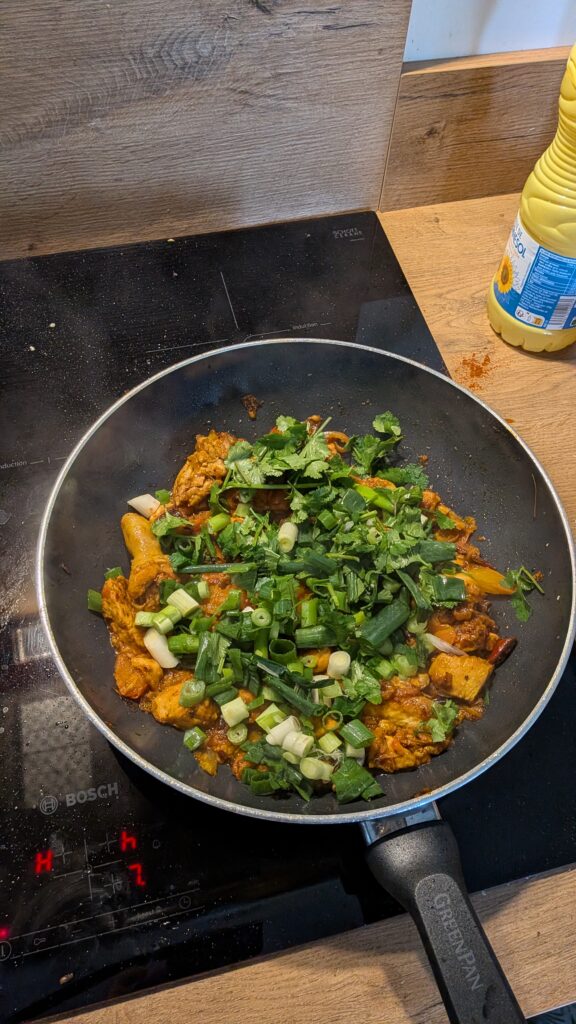
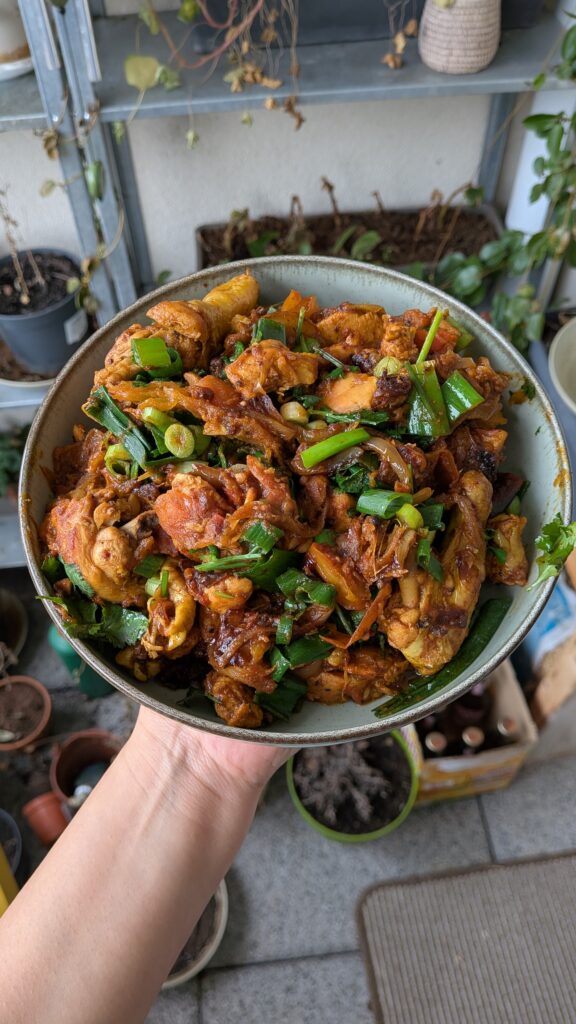
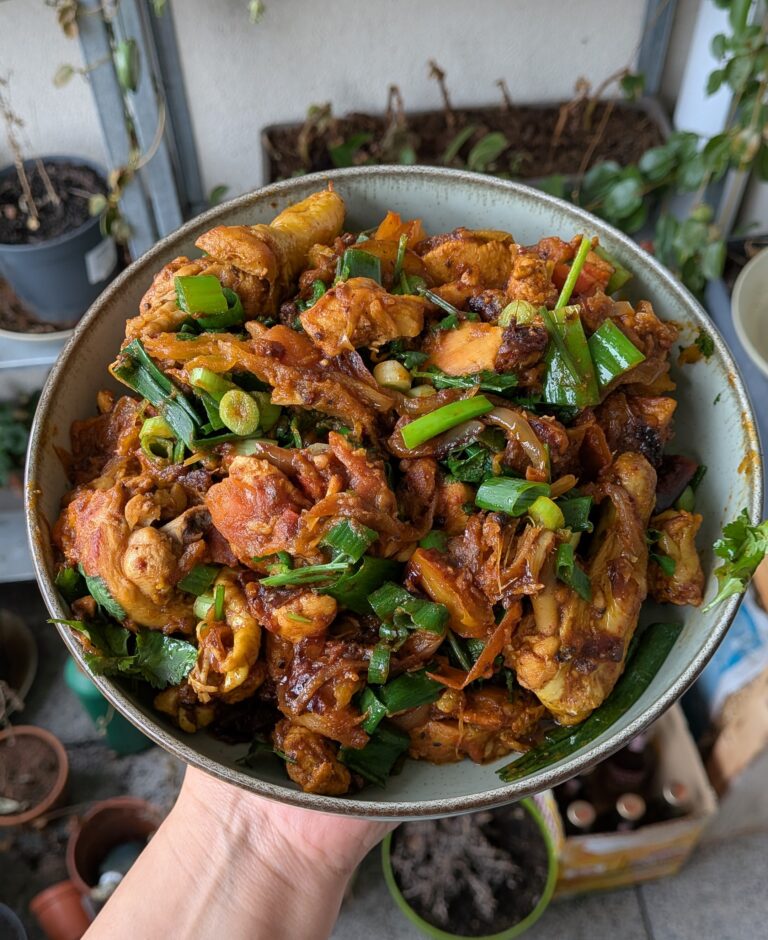
Remove from heat and garnish with chopped scallions and fresh cilantro. Serve hot with steamed rice, dal bhat, roti, or chapati. Leftovers taste even better the next day.
How to Eat This Nepali Chicken Curry
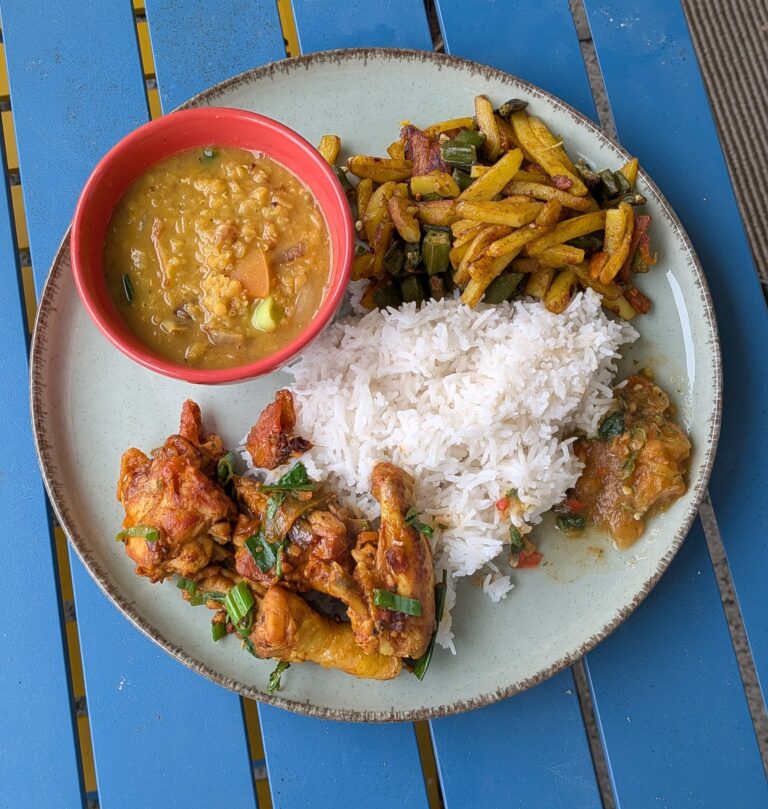
This curry is best enjoyed hot, with traditional Nepali sides:
Steamed rice – the classic combination, letting the thick tomato gravy soak into the rice
Dal Bhat – for a complete, comforting Nepali meal
Roti or chapati – for scooping up every bit of flavorful chicken
For the full experience, serve it with a side of lightly sautéed vegetables or pickles. Leftovers taste even better the next day, as the flavors deepen and mingle.
Why This Nepali Chicken Curry Is Special
Chicken is fried first, not boiled
Gravy comes from tomatoes, not water
Spices are flexible, adapted to availability
Made from memory, not strict measurements
Cooking far from home means substitutions and sudden changes — and that’s perfectly normal. The dish is still Nepali, still comforting, still home.
Explore More Nepali Recipes
If you loved this curry, check out other traditional dishes from my kitchen:
Sharing these recipes keeps the taste of Nepal alive, no matter where you are in the world.
Find my other cooking and baking recipes here!